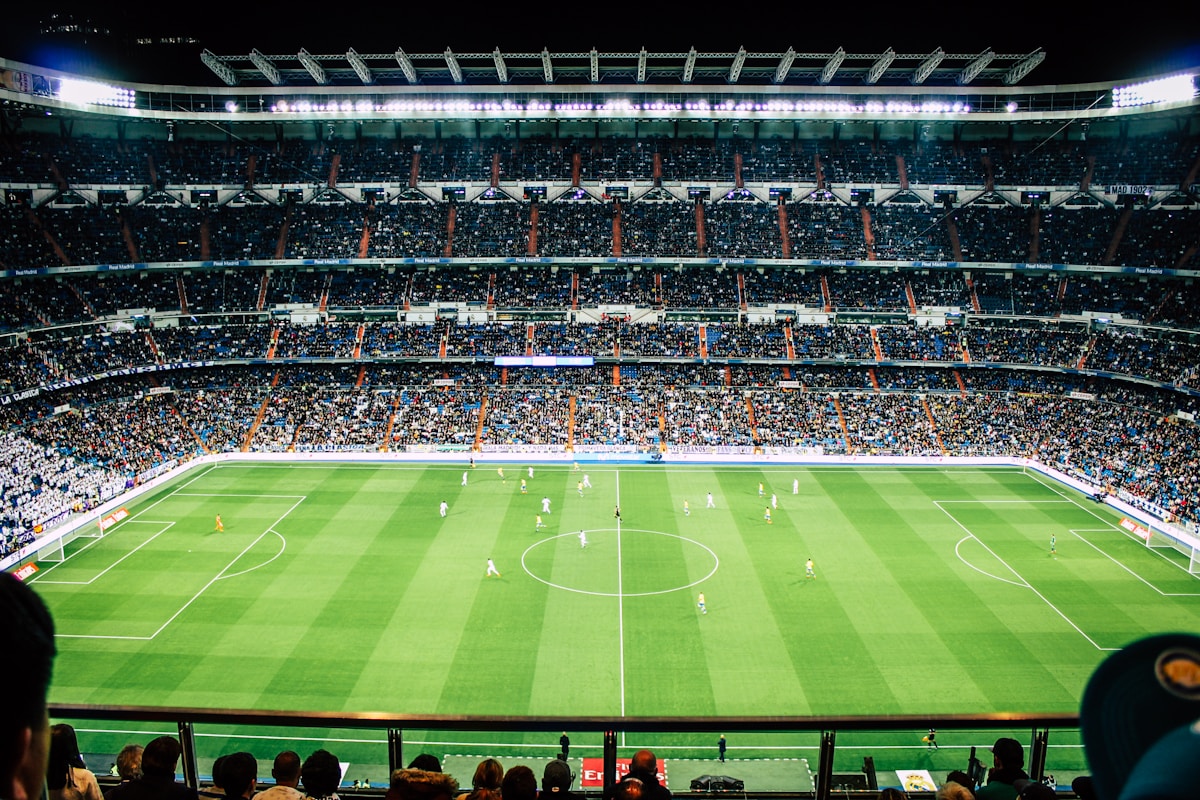
The 2026 FIFA World Cup is the biggest tournament in the history of the competition. For the first time ever, 48 teams will compete — up from 32 at every previous tournament since 1998. That means a new format, a new knockout round, and a longer, more complex path to the trophy.
If you're confused about how it all works, this guide explains everything clearly.
The Big Picture: What's Changed
| 2022 Qatar | 2026 USA/Canada/Mexico | |
|---|---|---|
| Teams | 32 | 48 |
| Groups | 8 | 12 |
| First knockout round | Round of 16 | Round of 32 (new) |
| Total matches | 64 | 104 |
| Tournament length | 29 days | 39 days |
| Matches to reach final | 7 | 8 |
The tournament is expanding from 64 games to 104 games — a 47% increase compared to four years ago. Teams that reach the semi-finals will have played eight matches, one more than before.
Phase 1: The Group Stage (June 11–27)
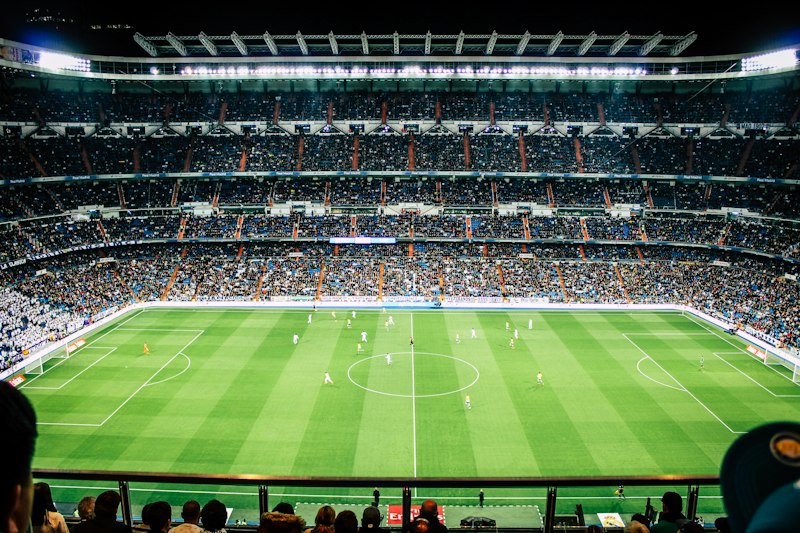
12 Groups of 4
The 48 teams will be split into twelve groups of four teams. The groups are labelled A through L. Each team plays three matches — one against every other team in its group — just as in previous tournaments.
Points system (unchanged):
- Win → 3 points
- Draw → 1 point
- Loss → 0 points
Who Advances from the Groups?
This is where the new format gets interesting. From each group of four:
- 1st place → automatically advances ✅
- 2nd place → automatically advances ✅
- 3rd place → maybe advances (see below)
- 4th place → eliminated ❌
That gives us 24 teams (12 winners + 12 runners-up) guaranteed in the next round.
The 8 Best Third-Place Teams
The remaining 8 spots in the Round of 32 go to the best third-place finishers across all 12 groups. Third-place teams are ranked by points first, then goal difference, total goals scored, fair play record, FIFA World Ranking, and drawing of lots if everything else is still tied.
This means a team can finish third in their group and still advance — but only if they perform well enough. A third-place team with 6 points (two wins, one loss) will almost certainly go through. A team with 3 points is on the bubble.
Total advancing from groups: 24 + 8 = 32 teams
Phase 2: Round of 32 (June 28 – July 2)

A new round of 32 will be introduced for the first time in World Cup history to accommodate the increase in teams participating.
This is the most significant structural change. Previously, 16 teams went directly into the Round of 16 after the group stage. Now, 32 teams play an extra knockout round first.
Simple rule: Win and you advance. Lose and you go home.
The matchups for the Round of 32 are determined by which groups the eight third-place teams come from — so the bracket is not fully known until all group stage matches are complete.
Phase 3: Round of 16 (July 3–6)
The traditional first knockout round. 16 teams remain, playing eight single-elimination matches. Winners advance to the quarter-finals.
Phase 4: Quarter-Finals (July 7–8)
Eight teams, four matches. The last stage before the semi-finals.
Phase 5: Semi-Finals (July 11–12)
Four teams remain. Two matches, two finalists confirmed. The losers play the third-place match.
Phase 6: Third-Place Match & Final
Third-place match: July 18, Hard Rock Stadium, Miami Final: July 19, MetLife Stadium, New York/New Jersey
Beginning in the Round of 32, the tournament will proceed with single-elimination matches culminating in the tournament final on Sunday, July 19.
Extra Time and Penalties
From the Round of 32 onward, if a match is level after 90 minutes:
- Extra time — two 15-minute halves
- If still level → Penalty shootout (5 rounds, then sudden death)
There are no draws in the knockout stage.
The Special Seeding Rule
The four highest ranked teams — Spain, Argentina, France and England — will be kept apart in the knockout bracket. These four teams cannot meet each other until at least the semi-finals.
This means if all four win their groups and progress as expected, the earliest possible match between any two of them is the semi-final. A Spain vs France final, or Argentina vs England final, is possible — but only after both have won six matches.
Why Did FIFA Change the Format?
The expansion to 48 teams was approved in 2017. The expansion has helped smaller countries such as Cape Verde, Curaçao, Jordan, and Uzbekistan qualify for the World Cup for the first time.
FIFA briefly considered 16 groups of three teams — but dropped that plan. This format was chosen over 16 groups of three teams based on a thorough review that factored team and fan experience, player welfare and sporting integrity. The three-team group format raised concerns about potential collusion in the final match of each group.
Four-team groups keep football honest.
The Full Timeline
| Stage | Dates |
|---|---|
| Group Stage | June 11 – June 27 |
| Round of 32 | June 28 – July 2 |
| Round of 16 | July 3 – July 6 |
| Quarter-finals | July 7 – July 8 |
| Semi-finals | July 11 – July 12 |
| Third-place match | July 18 |
| Final | July 19 |
What Does This Mean for Fans?
More matches, more drama, more upsets. A team that loses their first group match is not necessarily eliminated — they can recover and still advance. A team with three wins from three group matches is guaranteed to progress.
The Round of 32 adds an extra week of pure knockout football at the start of the elimination phase — 16 matches across five days where anything can happen.
The 2026 World Cup will run for 39 days and deliver 104 matches. It is the biggest, longest, most complex football tournament ever staged.
Follow every match, every result, and every group table live at WC2026 Stats.