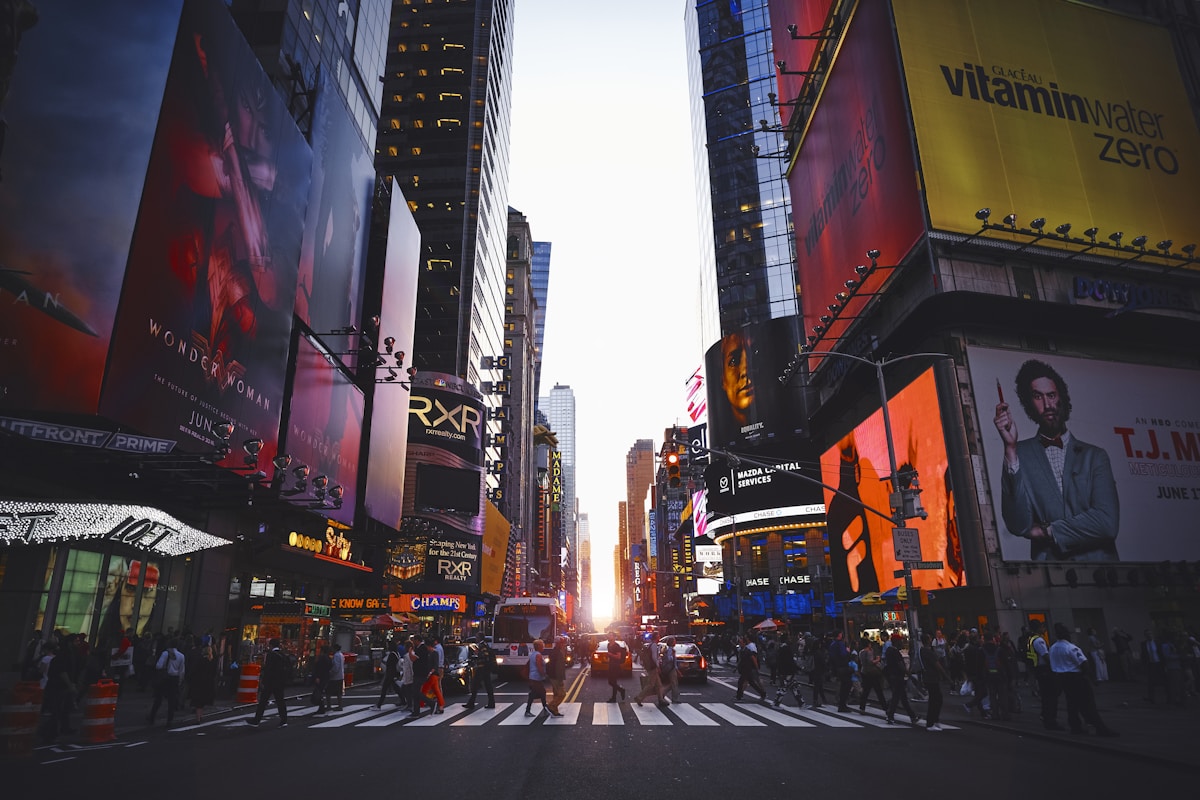
The 2026 FIFA World Cup will be unlike any tournament that came before it. For the first time in history, three nations — the United States, Canada, and Mexico — will jointly host the competition across 16 cities and 16 stadiums. With 48 teams, 104 matches, and a timeframe stretching from June 11 to July 19, this is the most geographically spread World Cup ever staged.
Here is your complete guide to every host city and venue.
🇲🇽 Mexico — 3 Cities
Mexico makes history at this tournament. With its previous hosting of the 1970 and 1986 tournaments, Mexico becomes the first country to host or co-host the men's World Cup three times.
Mexico City — Estadio Azteca
Stadium: Estadio Azteca | Capacity: ~87,000 | Opening match: June 11
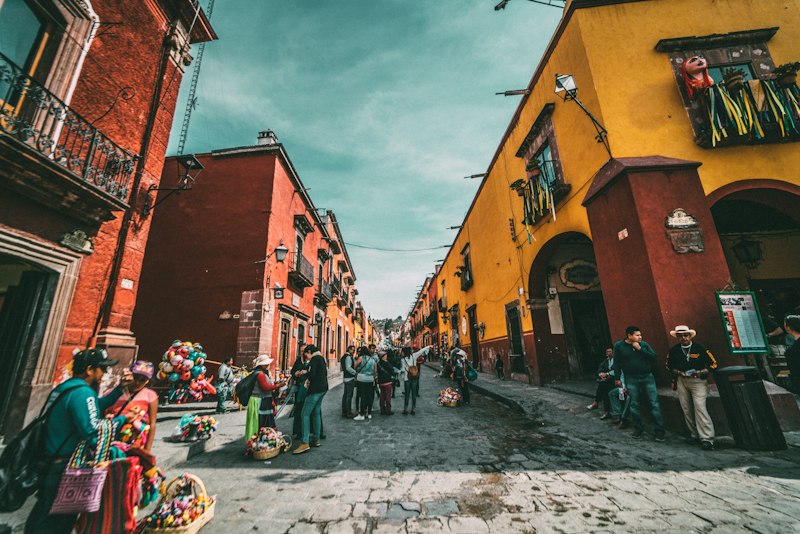
The most iconic stadium in World Cup history. Estadio Azteca has witnessed Pelé lift the trophy in 1970, Maradona's Hand of God and Goal of the Century in 1986, and countless defining moments of football history. The opening match of the 2026 tournament will take place here on June 11, featuring Mexico against South Africa.
No stadium carries more World Cup weight than this one. Walking into the Azteca for a World Cup match is a bucket-list experience.
Guadalajara — Estadio Akron
Stadium: Estadio Akron | Capacity: ~48,000
Guadalajara is often regarded as the cultural center of Mexico — home of mariachi music, numerous festivals, and the best tequila in the world. Estadio Akron is a modern, intimate venue that previously hosted Copa Libertadores finals. The atmosphere here will be electric.
Monterrey — Estadio BBVA
Stadium: Estadio BBVA | Capacity: ~53,000
Mexico's industrial powerhouse in the north, right on the border with Texas. Estadio BBVA is one of the most visually striking stadiums in Latin America, set against the backdrop of the Cerro de la Silla mountain. A short drive from several US host cities, making it a natural crossover destination for fans.
🇨🇦 Canada — 2 Cities
Canada's debut as a World Cup host nation — and the country arrives with its best-ever national team, automatically qualified as co-host.
Toronto — BMO Field
Stadium: BMO Field | Capacity: ~45,736
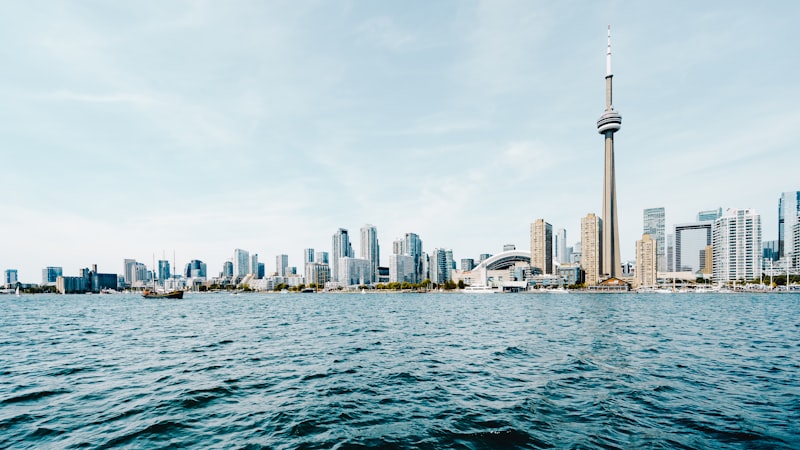
BMO Field opened in 2007 and serves as the home of Toronto FC in MLS. For the tournament, it will be expanded to accommodate World Cup crowds. Toronto is one of the most multicultural cities on earth — with large communities from virtually every competing nation, the atmosphere in the stands will be extraordinary.
Vancouver — BC Place
Stadium: BC Place | Capacity: ~54,500
BC Place is no stranger to major events, having hosted the Opening and Closing Ceremonies of the 2010 Winter Olympics. The stadium has a retractable roof — an asset in Vancouver's famously unpredictable weather. The city itself is one of the most scenic in North America, with mountains visible from the downtown core.
🇺🇸 United States — 11 Cities
The USA hosted the 1994 World Cup and set attendance records that stood for decades. In 2026, eleven American cities across the country will host matches, from the northeast to the southwest.
New York / New Jersey — MetLife Stadium
Stadium: MetLife Stadium | Capacity: ~82,500 | 🏆 Final: July 19
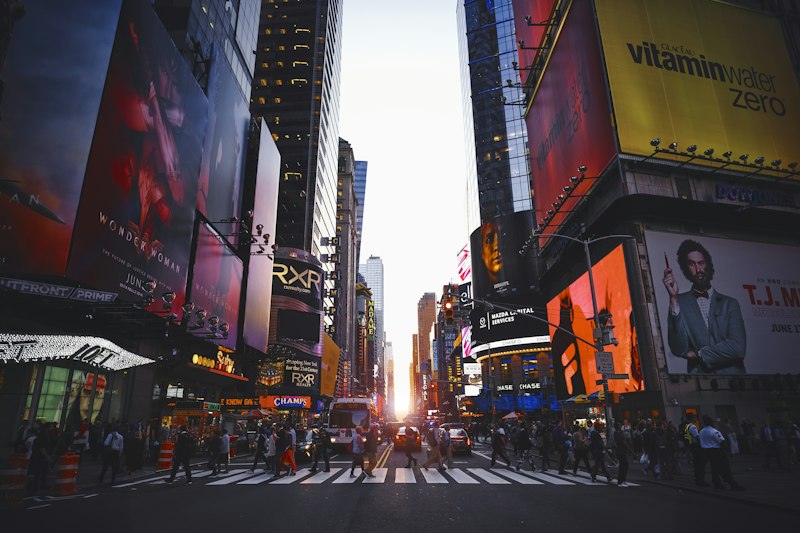
MetLife Stadium in East Rutherford, New Jersey, is scheduled to host the World Cup final on Sunday, July 19, 2026. Home to both the New York Giants and New York Jets, it sits just west of Manhattan — one of the most recognisable skylines in the world.
The stadium will host multiple group stage matches including France vs. Senegal (June 16) and Ecuador vs. Germany (June 25) before culminating in the final. For the first time ever, a live halftime show will take place during the World Cup final — making the July 19 event at MetLife the biggest single sporting occasion of 2026.
Kickoff for the final is scheduled for 3:00 PM ET on July 19.
Dallas — AT&T Stadium
Stadium: AT&T Stadium, Arlington TX | Capacity: ~94,000 | Semi-final: July 14
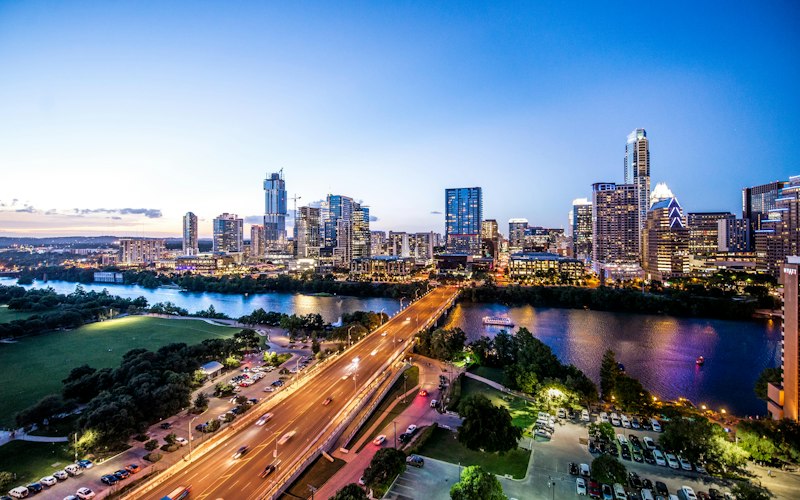
AT&T Stadium is an architectural masterpiece, boasting a retractable dome, temperature control, and a massive HD screen — with a seating capacity for over 92,967 spectators. As the Texan saying goes: everything is bigger here. It will host one of the semi-finals on July 14.
Atlanta — Mercedes-Benz Stadium
Stadium: Mercedes-Benz Stadium | Capacity: ~75,000 | Semi-final: July 15
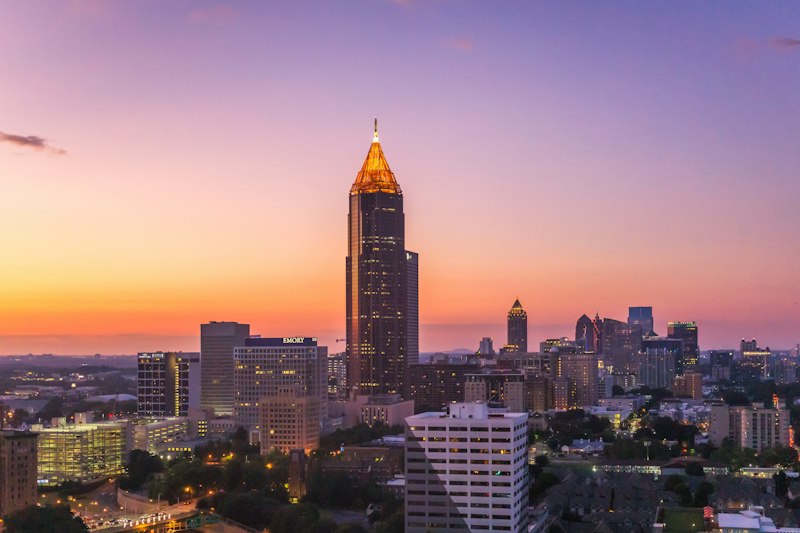
Home of the Atlanta Falcons and Atlanta United. Mercedes-Benz Stadium will host the other semi-final on July 15. One of the most technologically advanced stadiums in the world, with a distinctive oculus roof design. Atlanta's food scene has exploded in recent years — arriving early is recommended.
Los Angeles — SoFi Stadium
Stadium: SoFi Stadium, Inglewood CA | Capacity: ~70,000
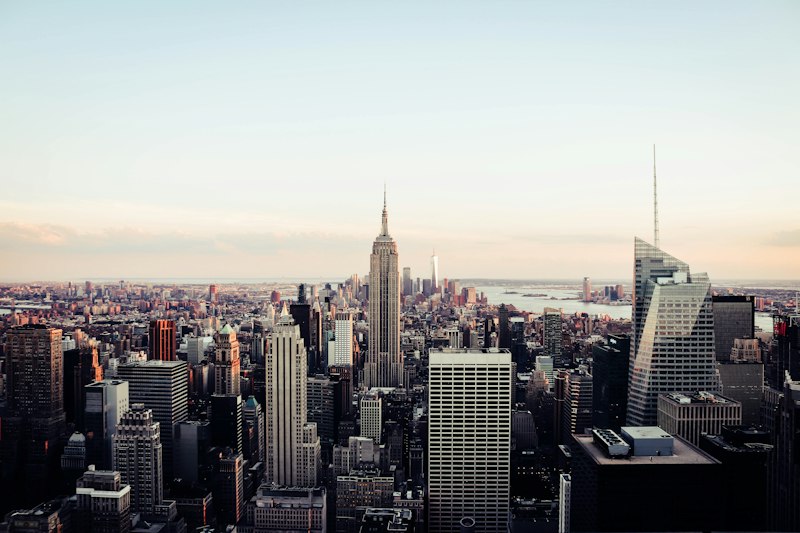
SoFi Stadium in Inglewood was completed in 2020, making it the most recently built venue at this World Cup. It is home to both the LA Rams and LA Chargers, and is scheduled to host the Opening and Closing Ceremonies of the LA 2028 Olympic Games. Los Angeles is arguably the entertainment capital of the world — and the World Cup will feel right at home here.
Miami — Hard Rock Stadium
Stadium: Hard Rock Stadium, Miami Gardens FL | Capacity: ~65,000 | Third-place match: July 18
The third-place playoff will be held at Hard Rock Stadium in Miami on July 18. The Miami stadium regularly hosts the Formula 1 Miami Grand Prix and the Miami Open tennis tournament. Miami's heat in July will be a major factor — this will be one of the most physically demanding venues for players.
Houston — NRG Stadium
Stadium: NRG Stadium | Capacity: ~72,220
NRG Stadium features a retractable roof and state-of-the-art audio/visual equipment. Houston's enormous and diverse population means this city will generate genuine, passionate support for matches from across the Americas.
Kansas City — Arrowhead Stadium
Stadium: Arrowhead Stadium | Capacity: ~76,000
Arrowhead Stadium holds the Guinness World Record for the loudest crowd roar at a sports stadium. Home of the Kansas City Chiefs — one of the NFL's dominant teams. The city's legendary BBQ scene is an additional reason to visit.
San Francisco Bay Area — Levi's Stadium
Stadium: Levi's Stadium (San Francisco Bay Area Stadium), Santa Clara CA | Capacity: ~69,391 | 6 matches including Round of 32
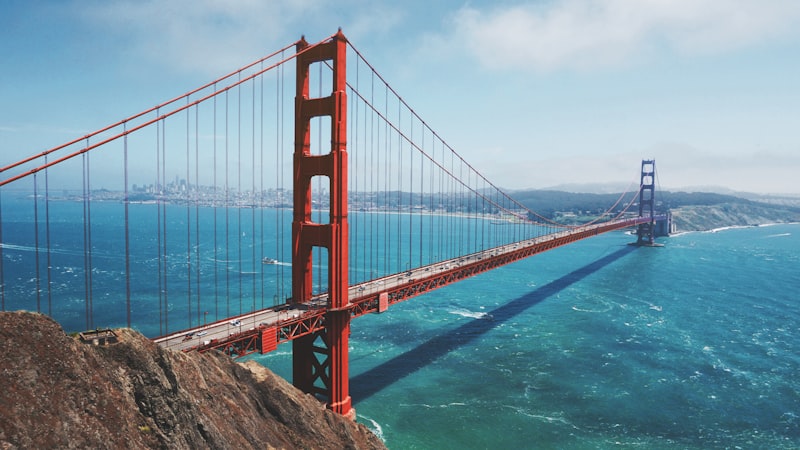
Located in Santa Clara in the heart of Silicon Valley, Levi's Stadium will be officially known as San Francisco Bay Area Stadium during the tournament — in line with FIFA's sponsorship rules. Home of the San Francisco 49ers, the stadium received $120 million in upgrades ahead of the tournament.
The Bay Area is expected to welcome approximately 260,000 visitors for the World Cup. The entire region — from San Francisco to San Jose — will be buzzing with football for six weeks.
San Francisco Bay Area match schedule:
- June 13: Qatar vs. Switzerland (Group B)
- June 16: Austria vs. Jordan (Group J)
- June 19: UEFA Playoff Winner vs. Paraguay (Group D)
- June 22: Jordan vs. Algeria (Group J)
- June 25: Paraguay vs. Australia (Group D)
- July 1: Round of 32 — Group D Winner vs. TBD
If the USA wins Group D, they could play their first knockout match right here in the Bay Area.
Seattle — Lumen Field
Stadium: Lumen Field | Capacity: ~68,740
Home of both the Seattle Seahawks (NFL) and Seattle Sounders (MLS). Lumen Field is renowned for its volume — the roof design traps crowd noise to create a unique cauldron effect. Pacific Northwest weather in June should be pleasant, making this one of the more comfortable venues.
Boston — Gillette Stadium
Stadium: Gillette Stadium, Foxborough MA | Capacity: ~65,000
Home of the New England Patriots. Boston is one of the most historically rich cities in America, with a passionate sports culture that makes it a natural World Cup host.
Philadelphia — Lincoln Financial Field
Stadium: Lincoln Financial Field | Capacity: ~69,000 | 6 matches including Round of 16 on July 4
The home of the Philadelphia Eagles. Philly is one of America's most passionate sports cities — and it gets a special place in the 2026 tournament. Lincoln Financial Field will host 6 matches total: five group stage games and a Round of 16 match on July 4, 2026 — the 250th anniversary of the United States Declaration of Independence. Nowhere else in the tournament will sport and history collide quite like this.
Philadelphia match schedule:
- June 14: Ivory Coast vs. Ecuador (Group E)
- June 19: Brazil vs. Haiti (Group C)
- June 22: France vs. Iraq (Group I)
- June 25: Curaçao vs. Ivory Coast (Group E)
- June 27: Croatia vs. Ghana (Group L)
- July 4: Round of 16 (teams TBD)
The July 4 match is the most symbolically loaded fixture of the entire tournament. Philadelphia is also a short train ride from New York, making it easy for fans to attend matches at both venues.
Key Facts at a Glance
| Stage | City | Stadium | Date |
|---|---|---|---|
| Opening Match | Mexico City | Estadio Azteca | June 11 |
| Opening (USA) | Los Angeles | SoFi Stadium | June 12 |
| Opening (Canada) | Toronto | BMO Field | June 12 |
| Semi-final 1 | Dallas | AT&T Stadium | July 14 |
| Semi-final 2 | Atlanta | Mercedes-Benz Stadium | July 15 |
| Third Place | Miami | Hard Rock Stadium | July 18 |
| Final | New York/NJ | MetLife Stadium | July 19 |
The Scale of It All
This is not just a football tournament. It is a 39-day travelling festival across an entire continent, from the mountains of Monterrey to the Pacific coast of Vancouver, from the heat of Miami to the urban intensity of New York.
None of the stadiums used in the 1994 FIFA World Cup will be used in this tournament — everything is new, or newly renovated. The infrastructure is ready. The teams are qualified. The countdown is running.
Follow every match, every venue, and every result live at WC2026 Stats.